
Oxford has been officially named one of the top 10 cities in the UK for remote workers, sparking renewed interest across nearby towns like Thame in flexible working and the lifestyle that comes with it. The study, conducted by Business Name Generator, analysed various factors ranging from internet speed and job listings to green space and energy bills. While Oxford’s placement wasn’t surprising to many locals, it has nudged more residents of Thame and surrounding villages to reassess how they live and work.
The findings echo a wider trend already in motion. Since the lockdown, a growing number of people in Oxfordshire have adjusted to remote roles, choosing to stay put in market towns while remaining professionally connected. Thame, with its reliable broadband infrastructure and calm atmosphere, has quietly benefited. What’s new, however, is how Oxford’s national spotlight is helping to validate those decisions.
Even entertainment habits have changed, with more time spent at home, some remote workers seek convenient leisure activities online. For example, several non-GamStop online casinos in 2025 offer remote workers convenience, bigger bonuses, and fewer restrictions when trying to relax between meetings. Many of these casinos are licensed in different jurisdictions, ensuring player safety.
Additionally, streaming services, multiplayer gaming communities, and even virtual pub quizzes have become popular ways for remote workers to blow off steam. From catching up on the latest shows to joining trivia nights with friends, these digital escapes offer something for everyone and keep people connected even when they’re working alone. Online entertainment platforms like these are often discussed in private Facebook groups and local forums as part of the changing face of downtime for people balancing work and home life in the same space.
One of the reasons Oxford earned its top-tier status in the study is the strength of its job market for remote workers. With more than 30 roles per 10,000 people advertised as remote, it stands out from many cities that have only made tentative steps in that direction. While Oxford's rent prices and cost of living aren’t low by any means, they’re often balanced out by strong salaries and the presence of established employers, especially in sectors like education, research, software, publishing, and health tech.
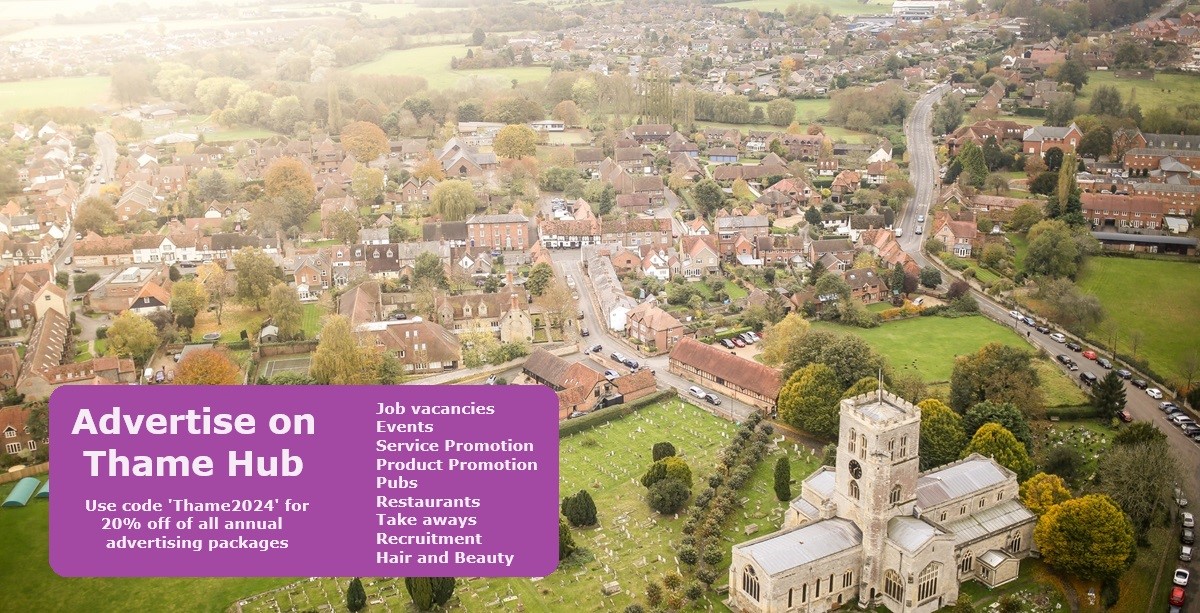
Thame has traditionally been seen as a commuter town, but that perception is fading fast. The draw of London and Milton Keynes remains, but the local economy is quietly shifting. The top workplace trends in 2024 already saw a massive change in how employers help employees balance work and life. However, a growing number of residents now work for employers based outside the county entirely, logging in from conservatories, converted lofts, or shared office spaces on Thame High Street. The balance between access to nature and strong connectivity is a key reason why some have chosen to stay put rather than relocate closer to headquarters.
Some cafes in Thame have started adapting, too. Over the past year, several have introduced stronger Wi-Fi, longer seating times, and even weekly networking mornings aimed at remote workers. These spaces are becoming hubs not just for freelancers but also for people with salaried roles who occasionally want to break up their week with a change of scenery. There’s a growing indication that Thame residents are feeling inspired by how Oxford was named one of the best UK cities for remote workers. The city has 12.5 remote workspaces for every 100,000 residents, and it has an abundance of green space.
Housing developments across the area now often include features designed with remote workers in mind, which can also now be seen in Thames. Home offices are no longer just a bonus. They’re frequently expected. In nearby areas like Haddenham, Wallingford, and Wheatley, estate agents have started to market properties by highlighting fibre connections and quiet study rooms rather than just square footage or garden size.
Some benefits of working from home include enhanced productivity, higher employee retention rates, and lower costs, which aid employers and remote workers. There’s also growing attention on the health benefits of remote working in Oxfordshire. People are walking more, visiting local parks, and spending lunchtimes in town rather than at motorway service stations or on packed trains. Green space per person was one of the main factors considered in Oxford’s ranking, and Thame has plenty of it too, from Cuttle Brook to the Phoenix Trail.
Oxford’s position on the top 10 list may not change lives overnight, but it certainly gives people in nearby communities a reason to pause. It’s not just the big cities or the outer reaches of the Lake District that are fit for remote work. Places like Thame are quiet, connected, and well-rooted in local life, which are proving to be ideal for remote work.