Could More Ways to Pay Keep Thame's Shops Busy?
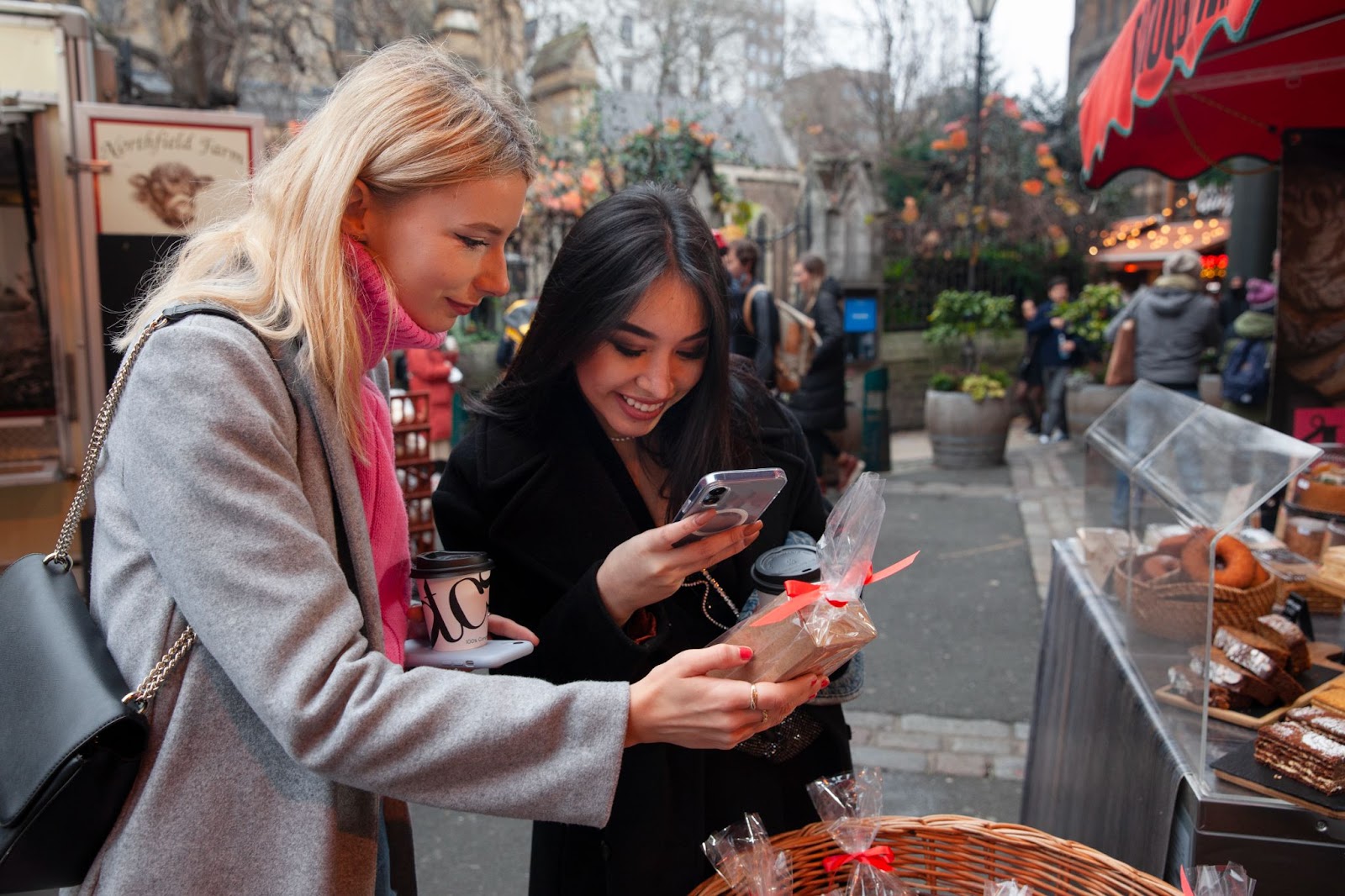
Image from FreePik
Thame is lively and local, with loads of old-world charm. Every Tuesday, the famous Charter Market fills the high street and, once a month, the Farmers' Market brings even more fresh produce and footfall. The town hosts independent shops, cafés, artisans, and now also a growing clutch of businesses that sell online.
As shoppers change how they like to pay, local traders can either keep up or hand customers over to big online and chain store names. Offering more payment choices is an easy, practical move that would help sales, trust, and encourage repeat visits.
Why Offer Diverse Payment Options?
Online casinos show how payment choice fixes problems fast. In a competitive industry such as iGaming, it’s easy to see how offering a choice of payment methods such as cards, contactless wallets, bank transfers, e-wallets, and sometimes crypto is good for business.
People tend to use what feels quickest and safest, and what’s most convenient for them. That speed and ease of doing business cut sign-up friction and keep customers returning. You'll see guides where some of the best payout casinos explained their withdrawal speeds in clear terms and offer various payment methods to accommodate this. In this way, they ensure players can use whichever railway is convenient. But when there's a bottleneck, say, a potential player can’t find a gateway they prefer, you might lose them to the competition.
Whether it's a payment gateway at a casino or fulfilling orders at your market stall, the same principle applies. If people get frustrated, you risk losing the sale. And while locals might be forgiving, visitors and tourists might not be.
Where Diverse Payment Options Could Help in Thame
In addition to the markets on the high street, you'll find independent shops, cafés, and service businesses. Many stallholders and small local businesses still rely on cash or a simple card reader.
Some firms sell higher-value goods or services. EV Carshop in Buttermarket handles EV leasing and chargepoint installs, and those purchases often need flexible payment plans or deposits.
Local teams have started to sell online or use schemes that list town shops together, such as ShopAppy. This payment service has run in Thame for a while now and helps small shops show stock online and offer click-and-collect. The ShopAppy integration makes online buying easier, but only if the checkout accepts how people want to pay.
All that variety means a one-size-fits-all payment policy can lose sales. If a customer can't pay the way they want, they walk. Simple.
Why Payment Choice Helps Sales
Whether you’re supporting a market stall or traditional local pub, being card- or contactless-ready saves an extra trip to a cash machine. In a café, letting people tap with their phones can significantly speed up the queue.
If you run an online shop or have one on your business’s website, showing PayPal, cards, and instalment choices lowers the chance of a shopper abandoning their cart at checkout.
It's not only about convenience. Rather, it’s establishing a relationship with your customer. Fast, visible withdrawals or refunds build trust and consumer confidence. When customers see familiar payment logos, they know they can get their money back easily. Then they're more willing to try something new or spend a bit more.
Finally, it’s also about listening to your customers’ needs. Not everyone has the same bank setup. Some prefer e-wallets, others like pay-later plans for bigger buys. Modern customers often prefer mobile payments, while older shoppers might still reach for cash. Accepting more methods opens local trade to more people.
Practical Steps Thame Traders Can Try
Portable readers like SumUp and Square work at markets and take contactless wallet payments. Tills at local shops could be updated to accept Apple Pay and Google Pay. For online sellers, add reliable gateways such as Stripe or PayPal so customers see familiar options. If you sell costly items, consider a trusted pay-later option like Klarna to make purchases easier.
Train your staff to answer simple questions about refunds and security. A calm, clear answer always wins trust. QR codes can be used for quick mobile payments at pop-ups or tiny stalls. These moves don't need big budgets: they just need a bit of planning.
Conclusion
Thame’s local economy of markets, shops, cafés, and growing online sellers could benefit from small shifts, such as adding more ways to pay, to keep spending local. These changes are not about fancy tech and the newest trends and hold no threat to the old-world charm of the market town. It's just about future-proofing the economy through removing the tiny frustrations that send customers elsewhere. Do that and people stay, spend, and come back.