
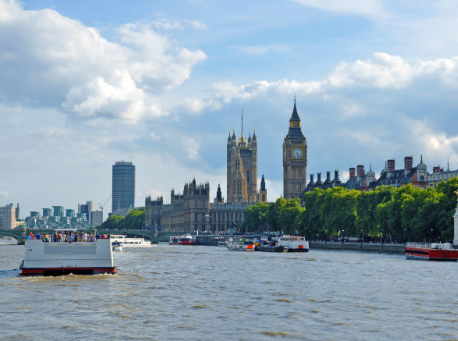
As summer unfolds, bringing warmer weather and longer evenings, the River Thames becomes an irresistible destination for both relaxation and recreation. Stretching over 215 miles, the river offers a diverse array of settings, from the dynamic energy of the city to the calm of rural meadows and the charm of historic villages. For individuals looking to boost their physical fitness this season, the Thames Path provides an accessible and rewarding path to achieving health objectives. Regardless of your experience level, from seasoned hikers to casual strollers, the Thames has a route for you, offering fresh air, beautiful scenery, and a workout that is both gentle and effective.
Why Choose the Thames for Walking?
As a designated National Trail, the Thames Path offers a unique combination of urban and countryside walks, allowing you to tailor your journey to your personal fitness ambitions and interests. Walking is a highly effective, low-impact exercise that enhances cardiovascular fitness, builds stamina, and promotes mental clarity. The path is well-maintained with clear signage, and numerous spots for rest and refreshment make it a superb choice for integrating regular walks into your summer schedule.
Top Walks along the Thames for Fitness
Richmond to Hampton Court
This seven-mile section is perfectly suited for those looking for a moderately challenging walk accompanied by numerous historical and natural sights. Beginning in Richmond, you are treated to beautiful riverside views, grand architecture, and lush parkland. The path takes you past Ham House and through Petersham Meadows before arriving at the magnificent Hampton Court Palace. Its largely flat surface is excellent for a brisk walk or a gentle jog, offering a substantial cardiovascular workout that remains accessible for novices.
Oxford to Abingdon
For a serene countryside experience, the nine-mile walk from Oxford to Abingdon is an excellent choice. Starting in the historic city of Oxford, the trail weaves through green meadows, by traditional boathouses, and along quiet stretches of the river. This route is ideal for improving endurance, and its gentle inclines are manageable for most walkers. Along the way, traditional pubs and cafes provide welcome opportunities for a rest.
Henley-on-Thames Circular Walk
While famous for its Royal Regatta, Henley-on-Thames also provides a wonderful six-mile circular walk. The route begins and ends in the town centre, guiding you along the river, through mature woodlands, and across open fields. The changing terrain is beneficial for enhancing balance and strengthening leg muscles, while the scenic beauty makes the physical effort highly rewarding. The lively summer atmosphere and the sight of rowers on the water add to the walker's appeal.
Putney to Tower Bridge
For those in London, the eight-mile walk from Putney to Tower Bridge is a fantastic urban fitness adventure. This route showcases some of the capital's most famous landmarks, including Battersea Park, the London Eye, and the vibrant South Bank, creating a stimulating backdrop for your exercise. The paved walkways are well-suited for a fast-paced walk or run, and the many bridges offer flexibility to shorten or extend your route as desired.
Marlow to Cookham
The five-mile journey from Marlow to Cookham is a popular choice, offering a delightful blend of riverside walking, woodland trails, and open countryside. Commencing in the charming town of Marlow, the path traces the river's edge before leading into the picturesque village of Cookham. The gentle hills present a light challenge, making this walk ideal for individuals aiming to build their stamina over the summer.
Making the Most of Your Thames Walks
Setting Fitness Goals
Define your objectives before you begin. Whether your goal is to increase your daily step count, enhance your heart health, or simply enjoy more time in nature, clear aims will help you stay motivated. A fitness tracker or smartphone application can be a useful tool for tracking your progress. Setting small, achievable milestones, such as adding an extra mile each week, can provide a sense of accomplishment. Regularly reviewing your progress will not only keep you engaged but also allow you to adjust your goals as your fitness improves.
Staying Safe and Comfortable

Enjoying a summer walk along the Thames requires some preparation. Ensure you wear comfortable, supportive footwear and dress in lightweight, breathable fabrics. It is crucial to carry water to stay hydrated, particularly on longer excursions, and to apply sunscreen for protection from the sun. If you are walking by yourself, inform someone of your intended route and when you expect to finish. Always check the weather forecast before you set off, as conditions can change quickly, and pack a lightweight waterproof jacket just in case. It's also wise to carry a small first-aid kit for minor scrapes or blisters, ensuring you're prepared for any eventuality.
Incorporating Strength and Flexibility
Walking is fantastic for cardiovascular health, but you can enhance its benefits by adding strength and flexibility exercises. Simple movements like squats, lunges, and calf raises can be easily done during a break. Remember to stretch before and after your walk to help prevent injuries and maintain flexibility. Incorporating a proper cool-down period with gentle stretches helps your muscles recover and reduces soreness the next day. Using park benches for exercises like push-ups or tricep dips can add variety and challenge to your outdoor workout.
The Health Benefits of Walking
Regular walking is a form of low-impact exercise that contributes to reducing the risk of chronic conditions like heart disease, diabetes, and high blood pressure. It also aids in weight management, strengthens bones and muscles, and improves mood through the release of endorphins. Furthermore, walking has been linked to improved creativity and cognitive abilities. The rhythmic nature of walking can have a meditative effect, helping to reduce stress and anxiety levels significantly. Consistent walking also improves sleep quality, which is essential for physical recovery and overall mental sharpness.
Thames Path Accessibility
The Thames Path stands out as one of Britain’s most accessible National Trails. Many sections are designed to be suitable for wheelchairs and pushchairs, ensuring that the river's beauty and health benefits are available to everyone. Detailed information about accessible routes can be found online. Many of the urban stretches, particularly in London, feature wide, paved surfaces that are ideal for mobility aids. It is always a good idea to consult the official National Trails website beforehand to plan your route and check for any temporary closures or diversions.
Wildlife and Nature along the Thames
A walk along the Thames is an opportunity not just for exercise but also for connecting with the natural world. The river ecosystem supports a diverse range of wildlife, such as swans, herons, kingfishers, and even otters. The adjacent meadows and woodlands are home to a rich variety of wildflowers, butterflies, and birds, providing a multisensory experience for all who walk the path. Bringing a pair of binoculars can enhance your experience, allowing you to get a closer look at the birdlife without disturbing their natural habitat. Remember to follow the "leave no trace" principle, respecting the delicate ecosystem by taking all litter home with you.
Conclusion
This summer, walking the Thames Path offers one of the most pleasurable and effective methods for improving your fitness. With routes designed for every level of ability, breathtaking scenery, and the opportunity to explore both urban and rural landscapes, the trail is an open invitation to get active and enjoy the season. Whether you are looking for peaceful solitude, social engagement, or a fresh approach to staying fit, the Thames presents limitless opportunities for a healthier and more enjoyable summer. So, put on your walking shoes, select a route, and let the river be your guide on your fitness journey.