Chemical blending can be a very complex process, especially regarding industrial uses, and it is not as easy as it seems- just stir and go. Mixing is one of the most critical factors that can determine the success of a chemical process. Therefore, in such a sensitive process as handling fine chemicals, it is crucial. In this article, we will explain chemical mixing mistakes and how to prevent making the same mistakes.

Safety should be a part of the culture in any industrial chemical mixing process to prevent costly and dangerous errors. The following are some of the common mistakes that must be avoided to enhance the safety and efficiency of handling:
- Lack of Chemical Characteristics: The inability to consider the chemical activity, toxicity, and flammability may result in undesired reactions.
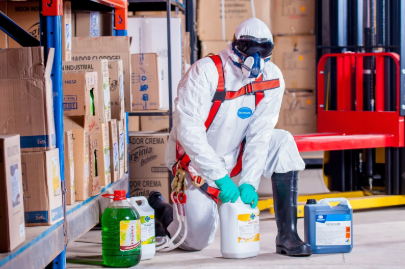
- Lack of Personal Protective Equipment: Assuming that gloves, goggles, and lab coats are mere accessories is a big misjudgment.
- Lack of Adherence to Standard Operating Procedures: When one is in a hurry or does not follow the proper procedures for mixing or handling chemicals, one may get an undesirable outcome.
- Lack of Communication: There is usually inadequate information passed to those handling the chemicals and the dangers posed by the chemicals.
Tips to Avoid Common Mistakes in Chemical Mixing
Extra care, training, and appropriate equipment are needed to minimize chemical mixing errors. Here are tips that may be of help to avoid dangerous errors:
Choose Mixing Software for Mathematics’ Precision and Quality
Manual calculations and guesswork will likely result in mixing errors. However, it is possible to use mixing software like the one found on visimix.com for industrial chemical mixing. These programs can predict chemical reactions and determine the optimum mixing time, order of mixing, and compatibility. A good mixing tool should also improve documentation and compliance with regulations, which are very important in pharmaceuticals or specialty chemicals.
Invest in Employees' Proper Training
Another major strategy for avoiding cross-contamination is to ensure that all the employees are trained and, where necessary, accredited. Chemical reactions, properties of substances, and safety measures give the workers the knowledge of what to do in case of any eventuality. Training should be frequent and revised depending on the industry's new regulations, technology, or processes.
Label and Store Chemicals Correctly
Labeling and storage are some of the worst mistakes that should not be made in handling chemicals, yet they are usually made. The containers housing all the chemicals should bear the name of the chemical, its hazard class, and the date it expires. They should also be stored based on their characteristics, including temperature, light, and compatibility with other materials. This minimizes the chances of dangers caused by improper arrangement of the products.
Conduct Routine Equipment Inspections
It is also important to understand that even the most experienced operators are not immune to such problems as equipment failure or contamination. Some common measures include frequent checks on the condition of the mixing tanks, agitators, and measuring equipment to avoid contamination. Record all the equipment checks and calibration to ensure any faults are noticed early enough before they result in severe mishaps.
When combining chemicals, a little consciousness goes a long way. It is possible to avoid these mistakes with the right knowledge, tools, and procedures so your reactions stay seamless, and your safety track stays unblemished. Still, in industrial chemistry, it is always wise to act wisely and not to fret when a step is missed.