
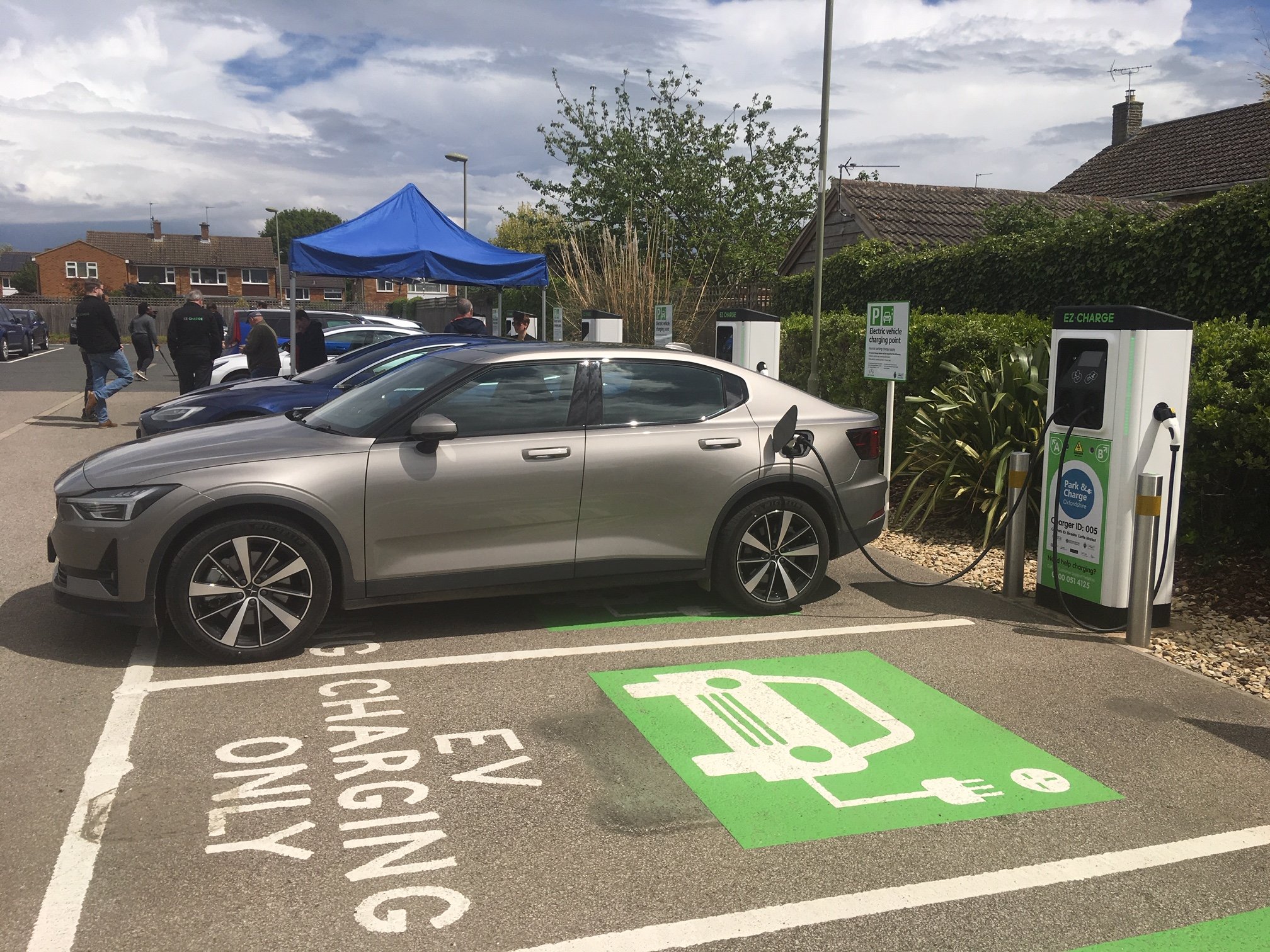
A project that will aim to break down the barriers that people face in charging electric vehicles at home has been given the green light after grant funding was awarded to Oxfordshire County Council and Oxford Direct Services.
The project will test a new solution to help people who don’t have a driveway to charge an electric car using their own home power supply and funding has been awarded by Innovate UK and the Office for Zero Emission Vehicles. Volunteers are being sought to take part in the trial.
The new project will test on-street electric vehicle charging using a specially designed ‘gully’ or channel, installed into the pavement. The gully allows residents to safely connect their electric vehicle to their home electricity supply when parked outside their home.
The channel is seamlessly integrated into the pavement and has been designed so that cables don’t cause a trip or slip hazard. Compared to installing electric charger bollards on the street, the arrangement causes less street clutter, especially where pavements are narrow, and it is much cheaper to install.
Connecting to a household’s own electricity supply means charging is cheaper and more convenient than using an on-street charge point, and also means that residents with solar panels can charge their EVs directly from their own renewable energy supply.
The plan is to run a pilot of 30 installations across Oxford and Cherwell districts, and the county council is looking for 30 volunteers to take part.
To qualify for the pilot, volunteers must have, or have frequent access to an EV or plug-in car or van, and must live in a property where they cannot park off the street. Volunteers must also be willing to take part in interviews, workshops and surveys as part of our research. Volunteers will be selected based on these requirements, assessment of the suitability of their property and other research factors.
To register interest volunteers should follow the link to the web form .