Businesses, from small retailers to global firms, often rely on marketing agencies to help them decide where to focus their online efforts. Two frequently used strategies are search engine optimisation (SEO) and pay-per-click (PPC) advertising.
Choosing between them isn't always simple. Each has unique strengths and challenges, and the right choice often depends on factors like business goals, industry, and budget. For that reason, most companies consider the broader context before leaning toward one over the other.
Here's a closer look at how they break down the decision.
Traffic Sources: Long-Term Growth vs. Immediate Results
Many London-based businesses highlight a key difference in how each strategy brings traffic to a site. SEO strategy is often seen as a long-term investment. It builds gradually as a website earns trust from search engines. Once a digital storefront starts ranking well, it can continue attracting clicks without additional ad spend.
PPC advertising, on the other hand, delivers almost instant visibility. Ads go live quickly, often generating traffic within hours. For businesses looking to promote a seasonal campaign or launch a product, this tactic can efficiently meet those short-term goals.
That said, the traffic from PPC stops once the budget runs out. SEO traffic tends to be more sustainable over time, though it can take months to build up.
If you're still unsure which direction to take, many digital marketing agencies in London can guide you on this journey. They'll assess your current situation and develop a strategy that aligns with your business goals. Just be sure to choose one with a strong track record and extensive experience in SEO and PPC.
Control and Flexibility: Targeting and Testing
PPC campaigns offer marketers more control. Ads can be shown to users based on specific demographics, locations, search terms, or time of day. This flexibility makes PPC ideal for split testing—tweaking headlines, offers, or landing pages to see what performs best.
SEO, while powerful, doesn't provide the same level of immediate control. It depends on search engine algorithms that decide what shows up and when. Marketers can optimise content for relevant keywords and structure, but the final decision lies with the search engine.
Digital marketing companies handling fast-moving campaigns, such as events or product launches, may lean toward PPC for that reason. It gives them the precision and speed needed to respond quickly.
Cost Structure: Fixed Spend vs. Ongoing Investment
When it comes to budgeting, SEO and PPC operate on different models. With SEO, most of the cost goes toward content creation, technical optimisation, and link-building. And these services typically require ongoing monthly work. Agencies often offer retainers for SEO support, which might range based on how competitive the niche is.
In contrast, PPC works on a pay-as-you-go basis. Businesses are charged each time someone clicks their ad. Google Ads, the most common PPC platform, uses bidding to determine how much a click costs. Some industries, especially legal and finance, can see click costs climb quickly.
Most marketing specialists often advise using both strategies in tandem. PPC can generate immediate results, while SEO works in the background to build long-term visibility.
User Behaviour: Trust and Click-Through Rates
Many marketers agree that users are more likely to trust non-paid search results more than ads. Studies have shown that the majority of clicks go to these links, especially on searches where users are researching rather than buying right away.
Some marketing professionals often point this out when building long-term brand authority. A strong presence in organic search results can boost credibility. For industries where trust matters, such as health, education, or legal services, SEO can support a more authentic brand perception.
However, PPC still plays a crucial role in transactional searches. When users type in high-intent keywords, such as "emergency plumber near me" or "small business marketing services," paid ads usually appear at the top of the page. These spots often catch attention before anything else. Digital experts recognise that PPC marketing is the best bet in these situations.

Data and Measurement: Clarity in Results
Both digital marketing strategies come with rich sets of data, but the kind of insights they offer are a bit different. With PPC, platforms like Google Ads make it easy to see exactly how your ads are performing. You get clear stats on several aspects like impressions, clicks, conversion rates, and costs. So, it's simple to track the journey from someone clicking your ad to taking action.
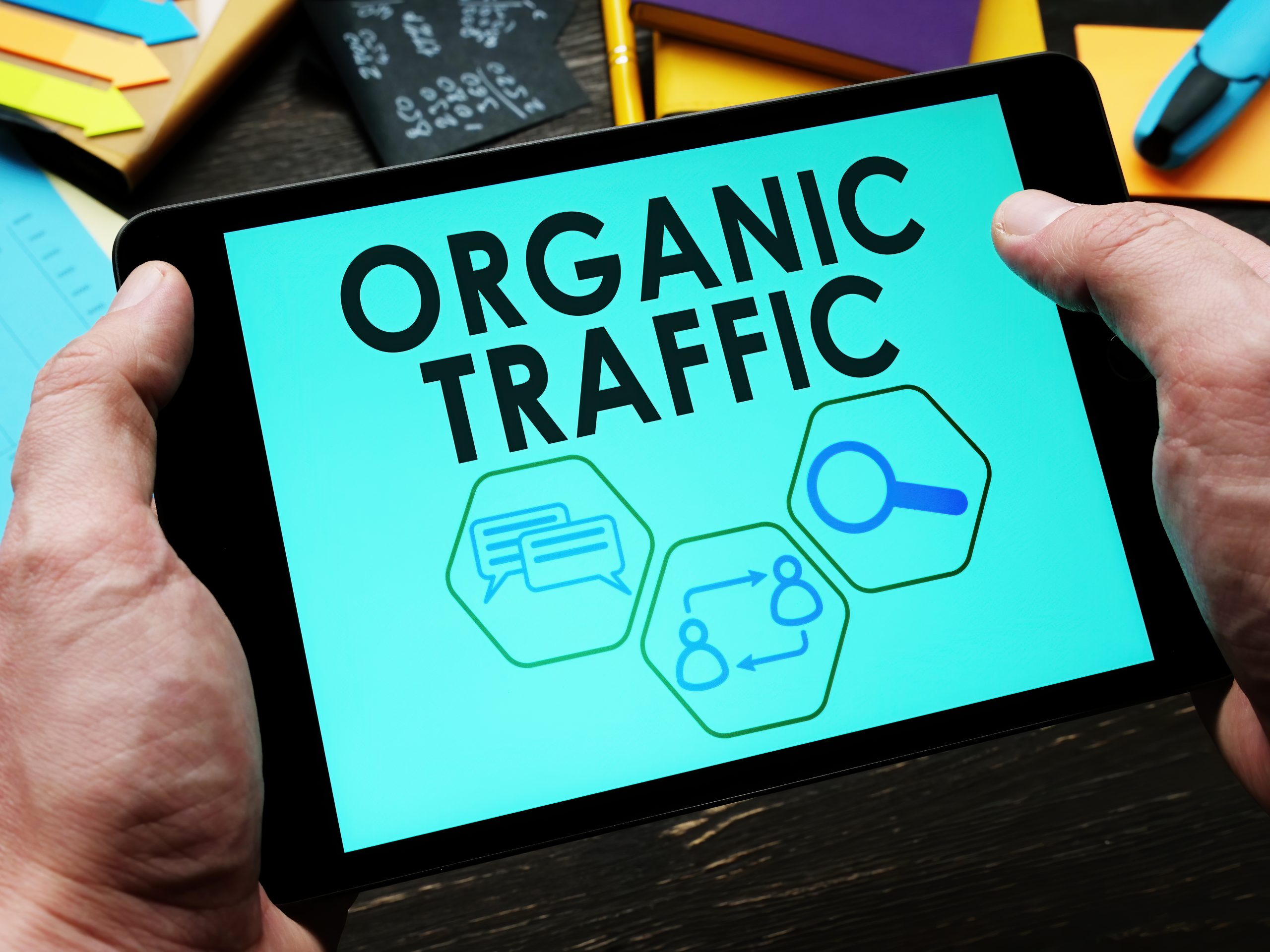
Now, SEO can be more layered. You'll look at things like organic traffic, keyword rankings, bounce rates, and backlinks. It's not always easy to pin down the exact return on investment for each blog post or phrase. But over time, trends show what's working and what's not.
If a business needs clear, measurable results fast, PPC is often the way to go. But if the focus is on building long-term authority and cutting down on reliance on ads, SEO is usually the better choice.
Wrapping Up
Standing out in a competitive market takes more than just being online. Choosing between SEO and PPC, or finding the right balance between them, can shape how effectively a business reaches its target audience.
Always take time to understand your goals and what you're working with. The right mix isn't the same for everyone. With a clear strategy and the right support, it's possible to gain visibility, attract the right traffic, and build lasting success.