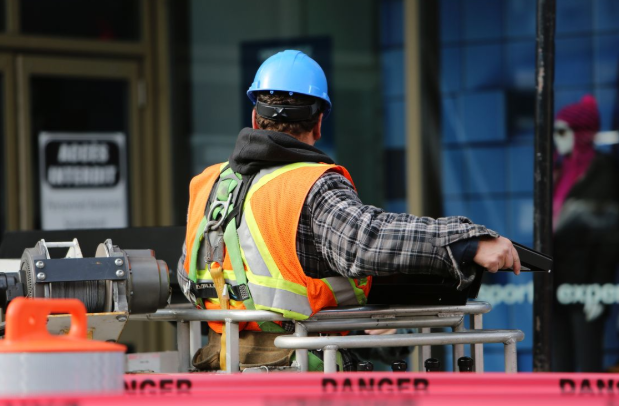
Want to create a workplace where staff actually feel safe?
Safety is number one. Right? When you really peek around the workplace.. half the basic equipment is AWOL. Worse...it's here but no one can find it.
Here's the thing:
Creating a safe workplace doesn't happen with a single big investment. It's about a few inexpensive pieces of equipment that work day after day behind the scenes. And hope they never have to see the light of day to save a life.
The US Bureau of Labor Statistics showed that employers reported 2.5 million injury cases in 2024. That's a lot of preventable injuries.
This guide breaks down the safety equipment every business should already have on-site.
Let's jump in!
Here's what's inside:
- The 6x Essential Pieces You Shouldn't Skip
- Why Workplace Safety Equipment Matters
- How To Choose The Right Gear For Your Business
The 6x Essential Pieces You Shouldn't Skip
Here are the 6 fundamentals. Review the list and check off what you already have in place at your company.
Defibrillators And Locked Defibrillator Cabinets
The most important piece of emergency equipment a business can have is a defibrillator (AED).
Why? Because time is everything during cardiac arrest. Survival decreases by 7-10% each minute without defibrillation. After 10 minutes... chances of survival are slim to none.
However, a defibrillator is only part of the solution. The cabinet needs to keep it secure, weatherproofed and accessible for whenever you may need it. Enter the locked defibrillator cabinet. These keep your AED safe behind keypad or code entry, but allow quick access for those life-saving seconds. Most new defibrillator cabinets also include self heating technologies, alarms and weatherproofing. So you can use them outdoors if you need to.
One advantage of a locked defibrillator cabinet is that it allows a company to place the unit somewhere public-facing... without fear of it being vandalized or stolen by tomorrow morning.
Pro-tip: Outdoor cabinets ensure proper operating temperature so that battery and pads don't malfunction during cold or hot seasons.
Fire Extinguishers And Fire Blankets
Fires spread in seconds.
Every job site should have multiple fire extinguishers -- and the right kinds for potential fires. Electrical fires require different extinguishers than kitchen grease fires.
The basics every business should have:
- Multiple extinguishers spread across the building
- Fire blankets near kitchens and break areas
- Clear signage showing where each one is located
Don't forget annual inspections. An expired extinguisher is just a heavy metal can.
First Aid Kits
A sensible first aid kit is not a small plastic box with two plaster on.
It should be stocked, readily available and inspected frequently. Larger work environments should have multiple stations throughout the building ensuring help is never far away.
Key items every kit needs:
- Bandages and dressings in different sizes
- Burn cream and eye wash
- Disposable gloves
- A basic CPR mask
Restock it every few months. Used supplies don't refill themselves.
Personal Protective Equipment (PPE)
PPE is one of the most overlooked categories.
Pretty much every company out there mandates safety glasses… yet fails to follow through. Cue employees walking around with safety glasses on their desks.
PPE depends on the industry, but common essentials include:
- Safety goggles and face shields
- Gloves (cut-resistant, chemical-resistant, etc.)
- High-vis vests for warehouses and yards
- Hard hats and steel-toe boots
Education. Educate your staff on when you need each piece... and why you need it.
Emergency Alarms And Communication Devices
If something goes wrong, can your team raise the alarm fast?
Two way radios are often forgotten when it comes to business safety. Smoke detectors are up, but what about two way radios or panic buttons?
Every workplace should have:
- Working smoke and CO alarms (tested monthly)
- Two-way radios for warehouses and large sites
- Panic buttons in reception or front-of-house roles
- A clear emergency contact list near every phone
Non-Slip Mats And Safety Signage
This is the boring one... but it stops the most common type of accident.
Slips trips and falls make up a large percentage of yearly workplace injuries. The majority can be prevented by using basic inexpensive equipment:
- Non-slip mats in entrances and wet areas
- Bright warning signs for spills and uneven floors
- Anti-fatigue mats for staff who stand all day
Combine the signage with regular cleaning rotas. Both work together.
Why Workplace Safety Equipment Matters
Workplace safety equipment isn't a "nice to have."
The difference between a minor incident and a life-threatening tragedy. Did you know the American Heart Association estimates there are about 10,000 cardiac arrests per year in US workplaces? That's cardiac arrests alone.
Throw in fires, slips, chemical spills and major injuries...That's thousands of 'critical seconds' per year that the right equipment can help with.
Strong workplace safety equipment helps a business:
- Rescue Lives: appropriate equipment strategically placed can make all the difference during a crisis.
- Stay compliant: safety regulators expect a baseline of equipment on every site.
- Prevent downtime: Lawsuits, fines and lost productivity will cost you much more than the kit will.
The best news? Most of this stuff is inexpensive and easy to install. You really have no excuse not to do it.
How To Choose The Right Gear For Your Business
Not every business needs every piece of equipment.
For example a small office has very different risks to a busy warehouse. The trick is to ask yourself:
- What hazards exist here?
- What injury types are most likely?
- How quickly could emergency help arrive?
That last one is most important when it comes to devices such as AEDs. If your business is located in a rural area where an ambulance will take 15+ minutes to arrive, a defibrillator (stored in a locked defibrillator cabinet) isn't just a nice thing to have. It's required.
Match the equipment to the actual risks on-site... not what the safety brochure suggests.
Final Thoughts
Building a safer workplace doesn't need a huge budget.
It all boils down to proper equipment being in the proper place when you need it. Whether it's fire extinguishers or a locked cabinet with a defibrillator outside the building... each one has a small role that could make a big difference during an emergency.
To quickly recap:
- Audit current safety equipment
- Match it to the industry's real risks
- Don't skip the small stuff (it adds up)
- Inspect and replace anything expired or damaged
- Train staff so they know how to use every piece
Occupational health and safety doesn't happen overnight. It occurs over months and years... layer upon layer. Begin with the basics listed here, then continue to add on.